
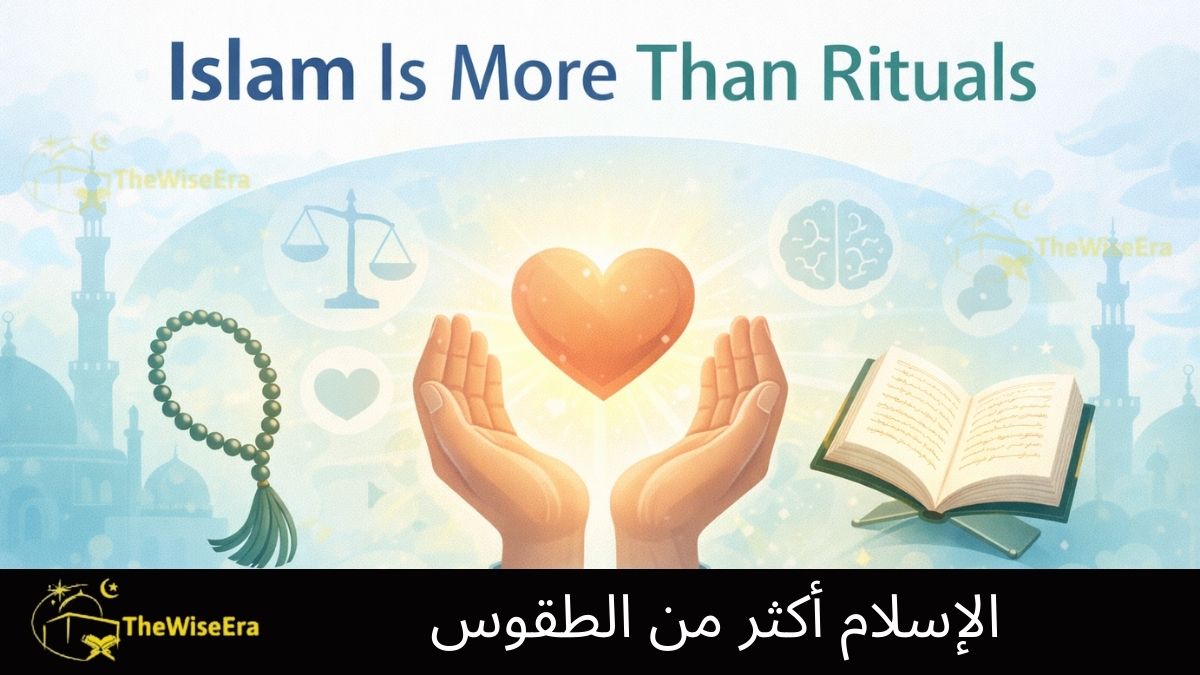
Islam Is More Than Rituals: Islam is often perceived by the majority of people as consisting solely of praying five times a day, fasting during Ramadan, or performing other external acts of worship. However, though these acts of worship are crucial and very much appreciated, the real fact is that Islam consists of no more than rituals. Islam is a total way of life that molds the believer’s heart, mind, character, and behavior in their daily life.
To restrict Islam to rituals only would lead to an incomplete perception of faith. A person could be prayerful all the time, but at the same time, he/she might still have a problem with lying, being arrogant, or treating others badly. This does not mean that prayer is unimportant, but it does show that Islam is intended to affect every aspect of life, not just moments of worship.
Visit Now: https://brightnora.com/
Worship Is a Foundation, Not the Destination
Rituals such as prayer, fasting, zakat, and Hajj are the foundation of Islam. They connect a believer with Allah and build discipline and consciousness. However, Islam is more than rituals because worship is meant to transform us, not stop at physical actions.
Prayer should develop humility, fasting should teach self-control, and charity should grow compassion. If rituals do not reflect in a person’s behavior, then the purpose of worship is being missed.
Islam Focuses on the Heart
One of the most important teachings of Islam is that Allah looks at the heart. Sincerity (ikhlas), intention (niyyah), patience, and gratitude are central to faith. This is why Islam is more than rituals—because a pure heart matters as much as outward worship.
A small good deed done sincerely can be more valuable than a large action done for show. Islam constantly reminds believers to correct their intentions and purify their hearts.
Read More: Safar Ki Dua – Prayer for Safe Journey
Character Is a Core Part of Islam
The Prophet Muhammad ﷺ gave the utmost importance to good character all his life. Kindness, honesty, mercy, and patience were the teachings of his life. He went so far as to say that the best of the believers are those with the best manners. This is a clear indication that Islam is much beyond mere rituals.
A Muslim who performs prayers but at the same time lies, deceives, or harms others is not really living up to the true message of Islam. Faith must be manifested in the way we treat parents, spouses, neighbors, coworkers, and even strangers.
Islam Guides Daily Life
Islam is not limited to the mosque. It guides how we earn money, raise children, treat the poor, speak to others, and handle conflicts. When earning halal income, being fair in business, and helping others, a believer is practicing Islam.
This is why Islam is more than rituals—because even ordinary actions can become worship when done with the right intention. Working honestly, caring for family, and serving society are all part of faith.
Read More: 99% of Muslims Don’t Know This Islamic Truth
Hardship and Patience Are Part of Faith
Many people think faith means a life without problems. In reality, Islam teaches that trials are part of life. Patience during hardship, trust in Allah, and gratitude in ease are signs of true belief.
Understanding this helps believers remain strong during difficulties. It reminds us again that Islam is more than rituals, because faith is tested in real-life situations, not only during worship.
Knowledge and Reflection Matter
Islam is the religion that upholds the value of knowledge to the fullest and invites us to explore it first deeply, then widely. All to do with worship observing without comprehending disables the faith. Knowing the Quran, Sunnah, and Islamic principles fortifies the faith. It is with the knowledge of the reasons and the guidance of Islam in their everyday life that the Muslims’ faith is intensified and becomes more significant. Such understanding reinforces the concept that Islam is more than just a list of rules and rituals.
Mercy, Not Harshness
Islam is a religion of mercy. Allah describes Himself as the Most Merciful, and the Prophet ﷺ was sent as a mercy to mankind. Harsh behavior, arrogance, and judgmental attitudes go against Islamic teachings.
True Islam balances worship with mercy, justice, and compassion. This balance proves once again that Islam is more than rituals—it is about building a just and kind society.
Read More: The Quranic Verse That Opens the Door of Sustenance
Conclusion
Islam isn’t a faith that demands just outward actions or insincere worship; it’s a total system that changes both people and society for the better. Acts of worship are necessary, yet their main function is to nurture one’s personality, support one’s faith and direct one’s life.
The moment Muslims recognize that Islam consists of much more than just a ceremonial practice, they become more intense in their belief, their works are more significant, and their relationship with the Almighty is more profound. Religion, in this case, goes from being something we observe to being something we really live.
FAQ’s
What does it mean that Islam Is More Than Rituals?
Islam Is More Than Rituals because it focuses not only on outward acts like prayer and fasting but also on the heart, intention, and daily behavior.
How can I understand that Islam Is More Than Rituals?
You can understand that Islam Is More Than Rituals by learning about the Quran, Sunnah, and practicing good character alongside worship.
Why do some people think Islam Is More Than Rituals?
Some people realize Islam Is More Than Rituals because they see that true faith affects their behavior, decision-making, and interactions, not just their prayers.
Can following rituals alone show that Islam Is More Than Rituals?
No, following rituals alone cannot prove Islam Is More Than Rituals. True understanding comes when your actions, character, and intentions align with Islamic teachings.
How can I teach others that Islam Is More Than Rituals?
You can teach others that Islam Is More Than Rituals by explaining the importance of good character, sincerity, gratitude, and applying faith in daily life.